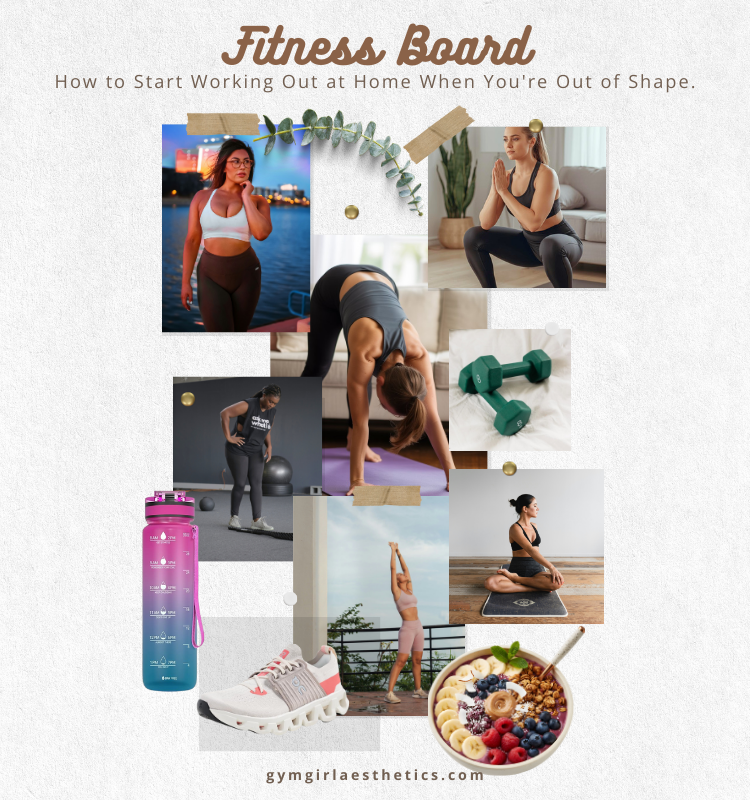
Let me tell you something: I once got winded walking up a single flight of stairs. Not running. Walking. That was my wake-up call, and it happened right before I decided to start working out at home.
If you’re reading this, you might be in a similar place. Maybe you’re scrolling through fitness content feeling like everyone else has it figured out while you’re still trying to touch your toes. I get it. Starting a home workout routine when you’re out of shape feels intimidating, but here’s the truth: you don’t need to be in shape to start getting in shape.
This article includes affiliate links. If you purchase through these links, I may earn a commission at no additional cost to you.
Why Working Out at Home Is Perfect for Beginners
Home workouts eliminate the biggest barriers that stop people from exercising. No commute to the gym. No judgment from strangers. No expensive membership fees. Just you, your living room, and the decision to start.
When I began my fitness journey, I couldn’t do a single push-up. Not one. But at home, nobody was watching me struggle. Nobody was counting my breaks. That privacy gave me the freedom to fail, learn, and improve at my own pace.
Setting Realistic Expectations (This Matters More Than You Think)
Before you touch a single dumbbell or attempt your first squat, let’s talk expectations.
You won’t transform your body in two weeks. You won’t suddenly love burpees. Some days will feel harder than others, and that’s completely normal. Progress isn’t linear, and that’s okay.
What you will do is build consistency. You’ll get stronger gradually. You’ll start noticing that everyday activities become easier. These small wins matter more than any dramatic before-and-after photo.
Step 1: Start With a Movement Assessment
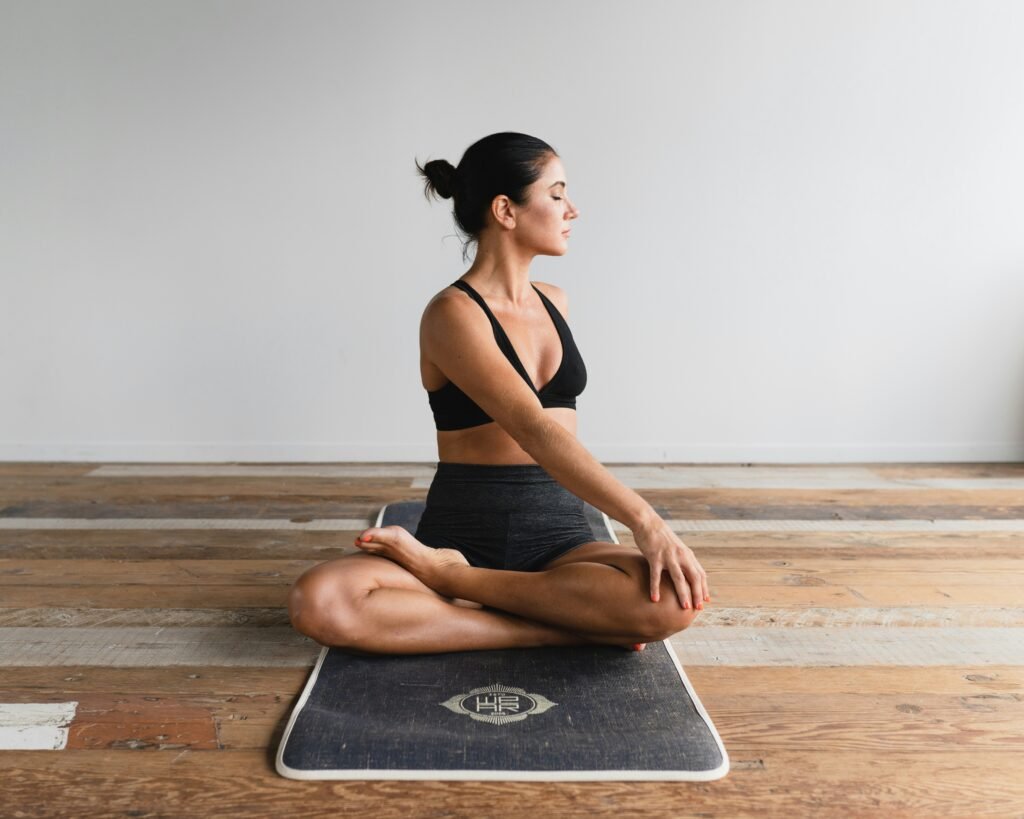
Don’t jump into a random workout video on day one. Instead, spend 10 minutes figuring out where you’re starting from.
Try these basic movements and notice how they feel:
- Stand up from a chair without using your hands.
- Walk around your home for 5 minutes.
- Reach your arms overhead.
- Do a gentle squat (even if it’s just a few inches down).
- Stand on one leg for 10 seconds.
This isn’t about judging yourself. It’s about understanding your baseline so you can track real progress and avoid injury.
Step 2: Create Your Workout Space
You don’t need a home gym. You need a clear space about the size of a yoga mat where you can move freely.
Here’s what actually helps:
- A comfortable surface (carpet works, or grab a yoga mat).
- Enough room to extend your arms in all directions.
- Good ventilation and lighting.
- A chair or sturdy surface nearby for support.
I worked out in a tiny apartment for months. My “gym” was the space between my couch and TV. It was enough.
Step 3: Build Your Beginner Equipment Kit
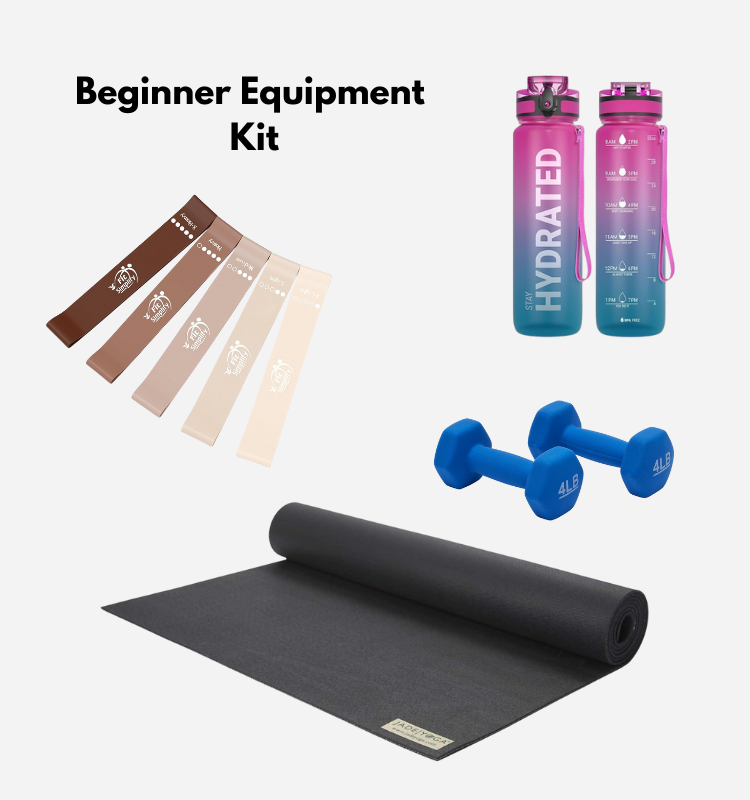
Start with bodyweight exercises, but these affordable items make home workouts more versatile:
- Resistance bands (under $15 and incredibly effective)
- A set of light dumbbells (3-10 pounds to start)
- A sturdy chair for support and step-ups.
- A mat for stretching and floor exercises.
- A water bottle.
That’s it. You can add more later, but this is genuinely all you need to build strength and endurance.
Step 4: Start With 10-Minute Workouts
Forget the hour-long workout programs. When you’re out of shape, 10 minutes is your sweet spot.
Why? Because you’ll actually do it. Ten minutes doesn’t feel overwhelming. You can fit it into any schedule. Most importantly, you’ll finish feeling accomplished instead of defeated.
Here’s a sample beginner routine:
- 2 minutes: Gentle walking in place.
- 2 minutes: Wall push-ups (10-15 reps, rest as needed).
- 2 minutes: Chair squats (sit down and stand up, 10-15 reps).
- 2 minutes: Standing knee raises (alternating legs).
- 2 minutes: Gentle stretching.
Do this three times a week. That’s your entire starting program.
When you are ready, start the 30-Day Beginner Workout Plan.
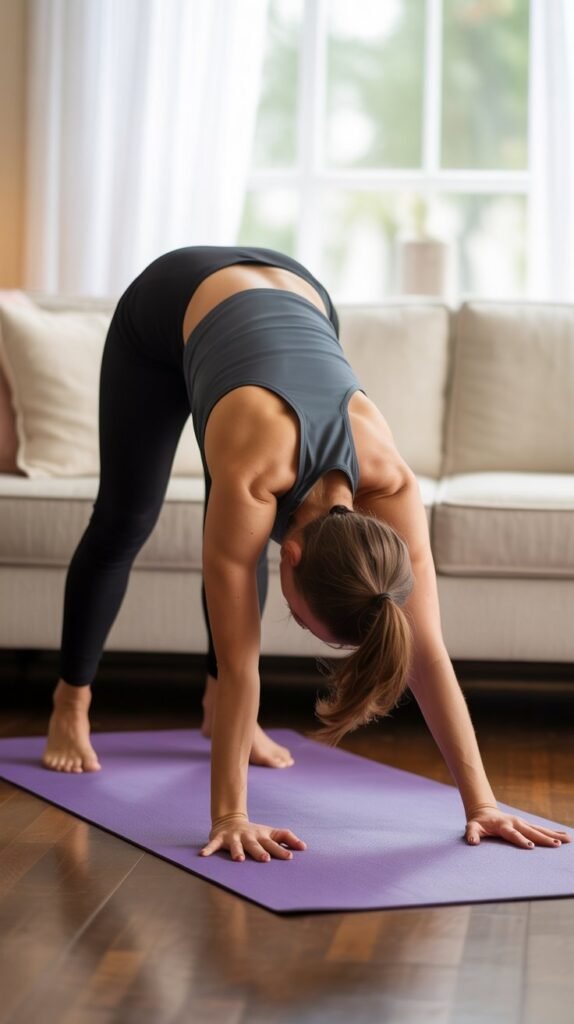
Step 5: Master the Foundation Movements
Focus on these exercises first. They’re safe, effective, and scalable:
Wall Push-Ups: Stand arm’s length from a wall, place hands on wall, lean in and push back. This builds toward floor push-ups. Check out this video on how to do a wall push-up.
Chair Squats: Use a chair behind you for safety. Lower until you’re about to sit, then stand back up. This teaches proper squat form. Here is a video of how to do a proper chair squat.
Glute Bridges: Lie on your back, knees bent, feet flat. Lift your hips toward the ceiling. Great for lower back and core strength. Here is a video on how to properly do glute bridges.
Bird Dogs: On hands and knees, extend opposite arm and leg. This improves balance and core stability. Here a video on how to do bird dogs.
Dead Bugs: Lie on your back, arms extended upward, knees bent at 90 degrees. Lower the opposite arm and leg slowly. Dead bug is an excellent core exercise that’s easy on your back. Here is a video on how to properly do a dead bug.
When you are ready, start the 30-Day Beginner Workout Plan.
Step 6: Listen to Your Body (Seriously)
There’s a difference between challenging yourself and hurting yourself. When you’re out of shape, your enthusiasm might write checks your body can’t cash.
Good signs you’re working appropriately: breathing harder, muscles feeling warm and slightly tired, breaking a light sweat.
Warning signs to stop: sharp pain, dizziness, nausea, chest pain, joints feeling unstable.
Muscle soreness 24-48 hours after exercise is normal. Pain during the exercise often isn’t.
Step 7: Track Small Victories
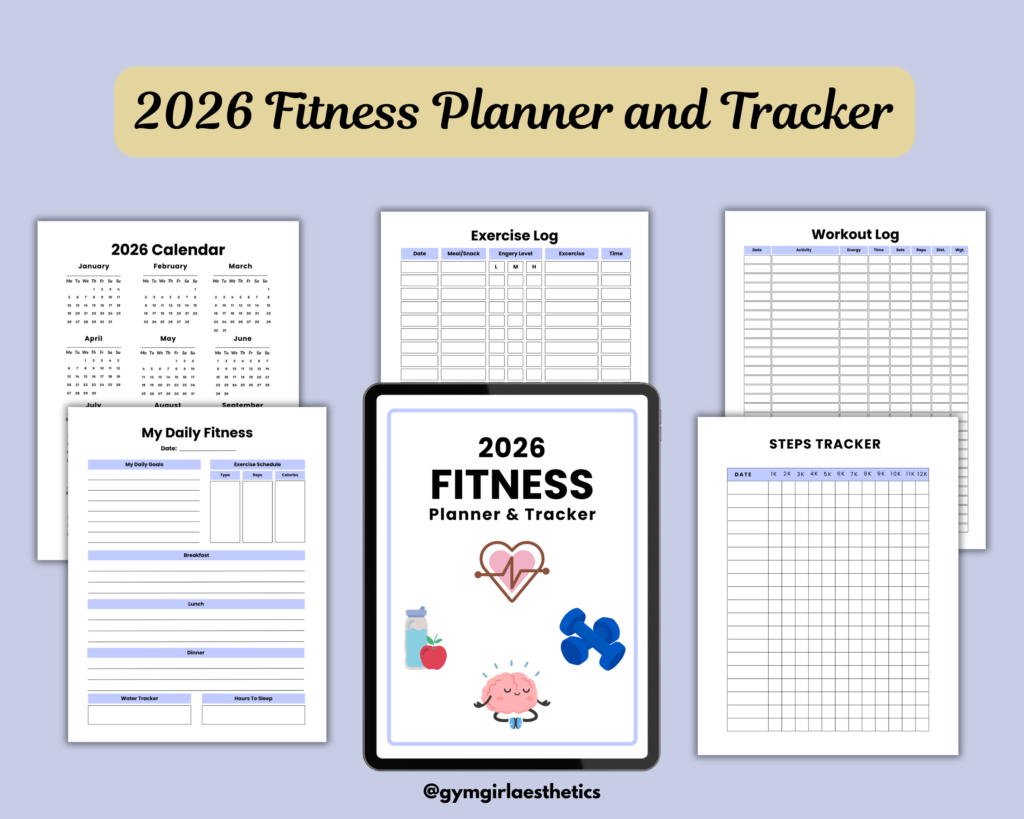
Keep a simple workout log. Note what you did and how it felt. This serves two purposes: accountability and encouragement.
When I started, my log entries were humble: “Did 8 wall push-ups. Took three breaks during the 10-minute walk.” Six months later: “Did 15 regular push-ups without stopping.”
Those written records proved I was making progress even when I couldn’t see it in the mirror yet.
Download Your Free Fitness Planner and Tracker!
Common Mistakes to Avoid
Doing too much too soon: This leads to burnout or injury. Slow and steady wins.
Comparing yourself to others: The fitness influencer on Instagram didn’t start where they are now. Focus on your own journey.
Skipping warm-ups: Even 2 minutes of gentle movement prepares your body and prevents injury.
Waiting to feel motivated: Motivation follows action, not the other way around. Start moving, and motivation catches up.
Being all-or-nothing: Missed a day? Just do the next workout. Progress isn’t ruined by inconsistency; it’s ruined by quitting.
Building the Habit
The goal isn’t to work out perfectly. The goal is to work out consistently.
Schedule your workouts like appointments. Same time, same days each week. This removes the daily decision of “should I work out today?” because it’s already decided.
Start with three days per week. Monday, Wednesday, Friday works well, giving you rest days in between.
When to Progress
After 2-3 weeks of consistent 10-minute workouts, you’re ready to level up. Add 5 more minutes. Increase your repetitions. Try a slightly harder variation of your exercises.
The rule is simple: if your workout feels comfortable and easy, it’s time to challenge yourself slightly more. No need to guess what’s next, follow the 30-Day Beginner Workout Plan to stay on track with your journey.
You’ve Got This
Starting home workouts when you’re out of shape isn’t about becoming an athlete overnight. It’s about taking care of yourself, one workout at a time.
That first step? That’s the hardest one. After that, each workout gets a little easier, a little more familiar, a little more “you.”
You don’t need to be great to start. You just need to start. And starting right now, exactly as you are, is enough.
Download Your Free Fitness Planner and Tracker!
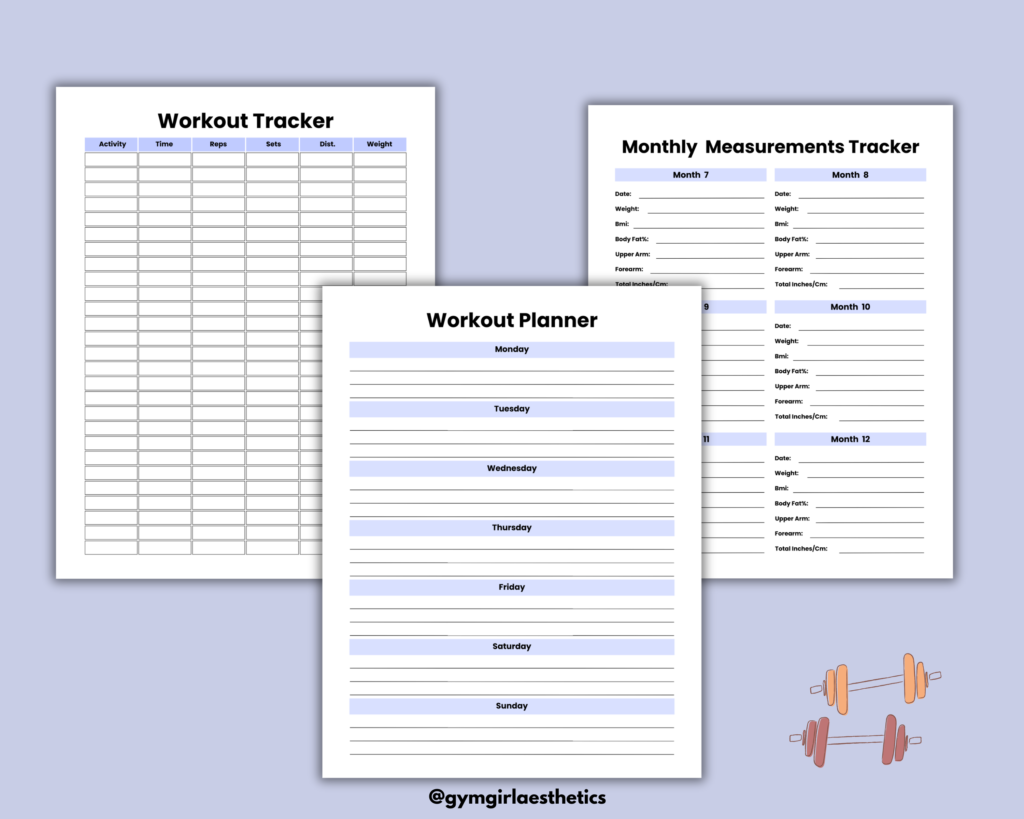
This is a 50-page printable planner packed with tools to support your health, fitness, and wellness goals all year long 2026 Fitness Planner and Tracker. Read more about it here!
- Your Spring Workout Wardrobe Glow-Up

- The Best Workout Clothes for Men 2026

- 10 Morning Routines That Will Actually Transform Your Day (No, Really!)

- Your Ultimate Gym Bag Checklist: Essentials for the Gym!
- 25 Self-Care Practices That Actually Matter

- 20 Valentine’s Day Workout Outfits That You’ll Love💗
- Your Journey to Strength: 50 Motivational Quotes!
- 20+ Cute Plus-Size Winter Gym Outfit Ideas You’ll Love and Feel Good In

- 30-Day Beginner Workout Plan for Women
- How to Start Working Out at Home When You Feel Out of Shape